


Blog
Bite Plate for Kids: What Parents Need to Know

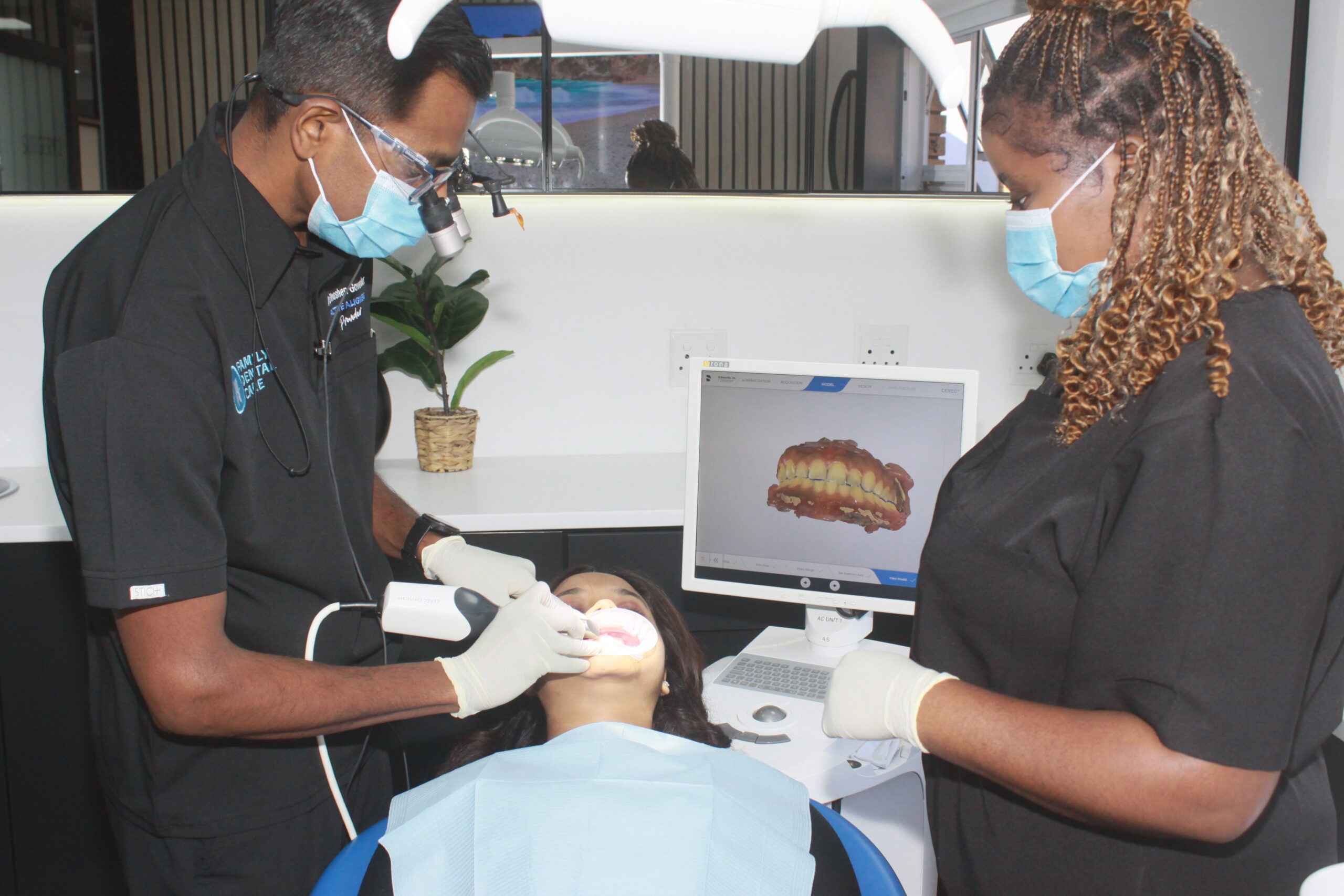
It can be worrying to hear your child grinding their teeth at night or to notice signs of tooth wear. Some parents ask whether a bite plate for kids is the right solution. The answer depends on the child’s age, dental development, symptoms, and the cause of the grinding.
Children’s teeth and jaws are still growing, so a bite plate should only be considered after a dentist has assessed your child. It is not something parents should choose without professional guidance.
Why do children grind their teeth?
Teeth grinding in children can happen for different reasons. It may be related to tooth eruption, bite changes, stress, airway or sleep concerns, or other oral habits. In some children it is temporary, while in others it needs closer monitoring.
When might a dentist recommend a bite plate for a child?
A dentist may consider a bite plate if there is clear evidence of grinding damage, jaw discomfort, headaches, or risk to the teeth. The decision depends on your child’s mouth and stage of growth.
In many cases, the dentist may first recommend monitoring, habit guidance, regular check-ups, or investigating other causes before making an appliance.
Signs parents should watch for
Book a dental check if your child has:
- Loud grinding sounds at night
- Visible tooth wear or chipped teeth
- Jaw pain, facial pain, or morning headaches
- Sensitive teeth
- Difficulty chewing because of jaw discomfort
- Grinding that seems to be getting worse
Is a bite plate safe for kids?
A dentist-made appliance may be safe when it is properly prescribed, fitted, and reviewed. However, because children are growing and losing teeth, fit can change. Regular follow-up is important. A child should also be old enough to understand when and how to wear the appliance safely.
Why a custom fit matters
Children should not use an adult-style guard or a poorly fitting appliance. A custom bite plate is designed around the child’s mouth and should be checked by the dentist. If it becomes loose, uncomfortable, or damaged, stop using it and book a review.
What happens at the appointment?
The dentist will check your child’s teeth, bite, jaw movement, dental development, and any signs of wear. They may ask about sleep, stress, habits, and symptoms. If a bite plate is not the right option, the dentist can explain other steps to monitor and protect the teeth.
How parents can help at home
Do not try to adjust an appliance at home. Encourage your child to keep it clean, store it safely, and bring it to dental visits. If your child complains of pain or if the bite plate no longer fits well, book a dentist review.
Book your child’s dental assessment with Family Dental Care if you are concerned about grinding, tooth wear, or jaw discomfort. Our team can advise whether monitoring, treatment, or a custom appliance is appropriate. Visit our dentist near you page to find a convenient branch.
For parents, the American Dental Association’s MouthHealthy mouthguard advice notes that children and teens may need more frequent replacement because their mouths are still growing and changing.
Frequently asked questions
Do all children who grind need a bite plate?
No. Some children grind temporarily and may only need monitoring. A dentist should assess the teeth before recommending an appliance.
Can a bite plate affect growing teeth?
Because children’s mouths change, any appliance needs careful fitting and review. Your dentist will consider growth and tooth eruption before advising treatment.
Should I buy a bite plate for my child online?
No. Children should be assessed by a dentist before using a bite plate or night guard.
How dentists decide if a child needs a bite plate
A bite plate for kids should always be considered carefully because children are still growing and their teeth and jaws are developing. Some children grind their teeth for a period and then improve, while others show signs that need closer monitoring. A dentist will usually look at tooth wear, discomfort, bite development, oral habits, age, and whether adult teeth are erupting before recommending an appliance.
Parents should avoid buying a one-size-fits-all guard without advice, especially for younger children. A poorly fitting appliance can be uncomfortable and may not be suitable for a changing mouth. If a bite plate for kids is recommended, the dentist should explain when it must be worn, how to clean it, how often it should be checked, and when it may need to be replaced as the child grows.
Parent checklist before treatment
- Ask what problem the bite plate is meant to manage.
- Confirm how many hours per day or night it should be worn.
- Check whether it may need replacing as teeth erupt.
- Watch for discomfort, looseness, speech issues, or refusal to wear it.
- Bring the bite plate to every review appointment.
What parents should monitor at home
After a bite plate for kids is fitted, parents should monitor comfort, cleaning habits, and whether the child can wear it as instructed. If the appliance is left out often, feels tight, or causes sore spots, book a review instead of waiting for the next routine visit.
For related dental care options, parents can also review the Family Dental Care treatments page before booking a consultation.