


Blog
What Happens If You Stop Wearing Your Bite Plate?

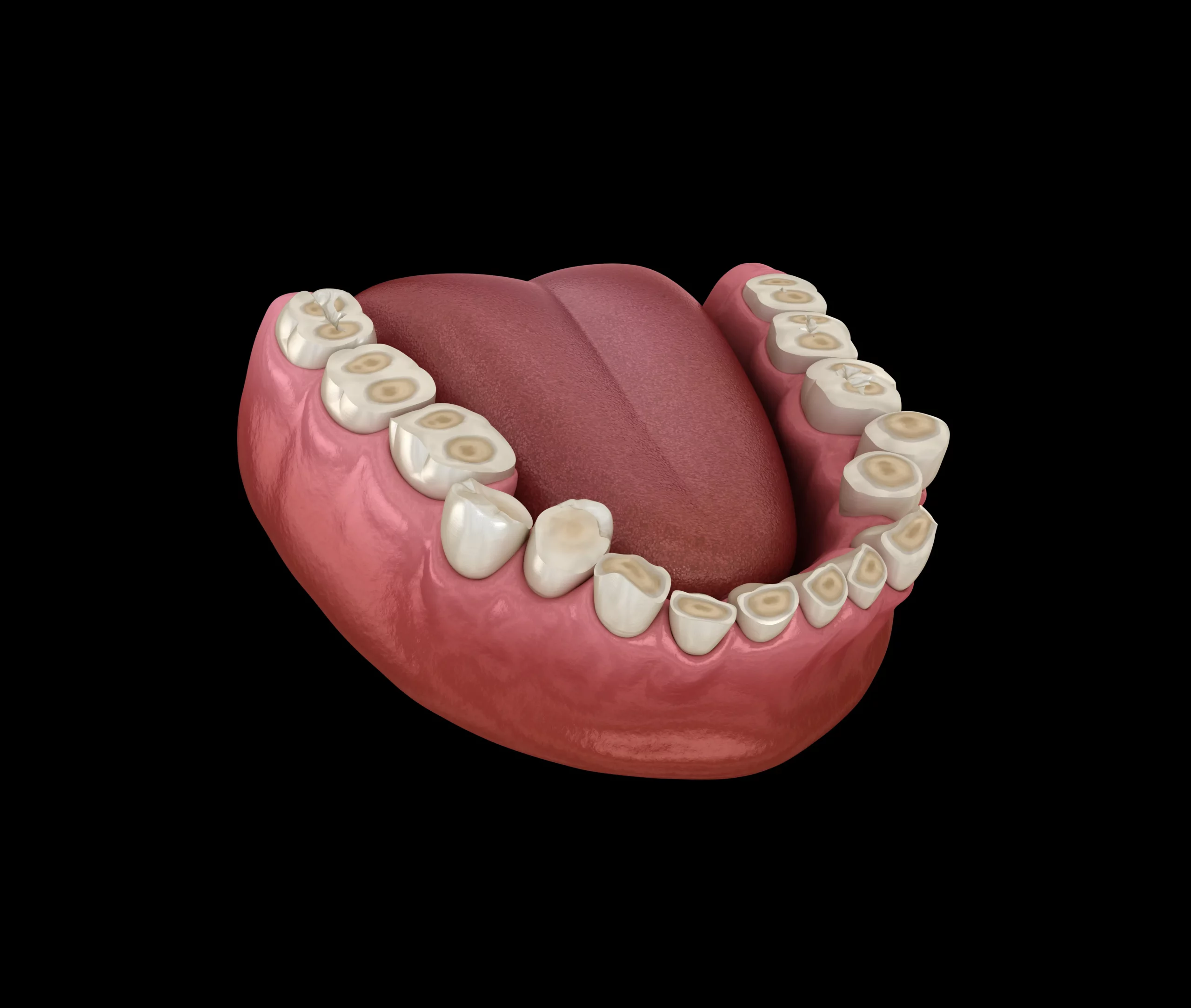
What Happens If You Stop Wearing Your Bite Plate Too Soon?
If your bite plate feels better after a few weeks, it can be tempting to stop wearing it. But if the appliance was prescribed to protect your teeth from grinding, clenching, or bite pressure, stopping too soon may allow the same problems to return.
Before you stop using a bite plate, speak to your dentist. The right plan depends on why it was prescribed and what has changed since you started wearing it.
Why dentists recommend continued wear
A bite plate is often used to protect the teeth from ongoing pressure. If you grind or clench during sleep, you may not be aware that it is happening. The appliance can help reduce direct tooth contact and protect enamel, fillings, crowns, and other dental work.
What can happen if you stop wearing it?
If the original grinding or clenching habit is still present, stopping may lead to:
- Return of tooth wear or chipped edges
- More pressure on crowns, fillings, or veneers
- Jaw tightness or morning discomfort
- Tooth sensitivity from ongoing enamel wear
- Headaches linked to jaw tension
- Reduced protection while your dentist is monitoring your bite
Not everyone will notice symptoms immediately. Some people grind without pain, which is why dental reviews matter.
Can you stop if symptoms improve?
Improvement is a good sign, but it does not always mean the grinding has stopped. A bite plate may be the reason your teeth and jaw feel better. Your dentist can check whether your teeth are still at risk before changing the wearing schedule.
What if the bite plate is uncomfortable?
Do not force yourself to wear an appliance that causes pain, and do not adjust it at home. A bite plate may need a small dental adjustment if it feels too tight, uneven, bulky, or loose. Book a review so your dentist can check the fit.
What if you lose or break your bite plate?
Contact your dental practice as soon as possible. If you grind heavily, going without protection for too long may increase the risk of tooth wear or damage to restorations. Bring any broken pieces with you if possible.
How to restart wearing your bite plate
If you have not worn your bite plate for a while, check that it still fits properly. Teeth can shift slightly over time, and appliances can warp or wear down. If it feels different, book a dentist review before using it every night again.
When to book a review
Book a dental appointment if:
- The bite plate no longer fits comfortably
- Your jaw pain or headaches have returned
- You notice new chips or tooth sensitivity
- The appliance looks cracked, worn, or distorted
- You want to stop wearing it but are not sure it is safe
If your bite plate is uncomfortable or you have stopped wearing it, Family Dental Care can help. Book a review so the fit, tooth wear, and ongoing need for protection can be checked. You can also explore our dental treatments or find a branch near you.
For care and replacement basics, the American Dental Association’s MouthHealthy mouthguard guide recommends checking fit, replacing appliances that are worn or damaged, and bringing them to dental check-ups.
Frequently asked questions
Can I stop wearing my bite plate after my jaw pain improves?
Ask your dentist first. Improvement may mean the bite plate is helping, not that the underlying grinding has stopped.
Will my teeth move if I stop wearing it?
A bite plate is not the same as an orthodontic retainer, but teeth and bite comfort can change over time. If the appliance stops fitting, book a review.
How often should my bite plate be checked?
Bring it to your regular dental check-ups or sooner if it feels uncomfortable, loose, damaged, or worn.
Why stopping suddenly can set you back
What happens if I stop wearing my bite plate depends on why it was prescribed in the first place. If the appliance was protecting teeth from grinding, stopping may allow wear patterns to continue. If it was helping with bite comfort, your symptoms may return slowly or quickly depending on your habits, stress levels, jaw activity, and dental history. Some people notice no immediate change, while others feel sensitivity, morning jaw tiredness, or pressure on certain teeth.
If you stopped because the bite plate feels uncomfortable, loose, cracked, or difficult to clean, do not simply force yourself through it. A dentist can check whether the appliance still fits, whether your bite has changed, and whether an adjustment or replacement is needed. Bring the appliance with you so the wear marks and fit can be reviewed properly.
When to book a review
- You have not worn the bite plate for several weeks and symptoms are returning.
- The appliance no longer seats fully on your teeth.
- You see cracks, sharp edges, or heavy wear marks.
- You wake with jaw tightness, headaches, or tooth sensitivity.
Do not guess if the fit has changed
If you are unsure whether to restart wearing the appliance, let a dentist check the fit first. A short review can prevent discomfort and confirm whether the bite plate is still suitable.


