


Blog
What Is a Bite Plate? Everything You Need to Know

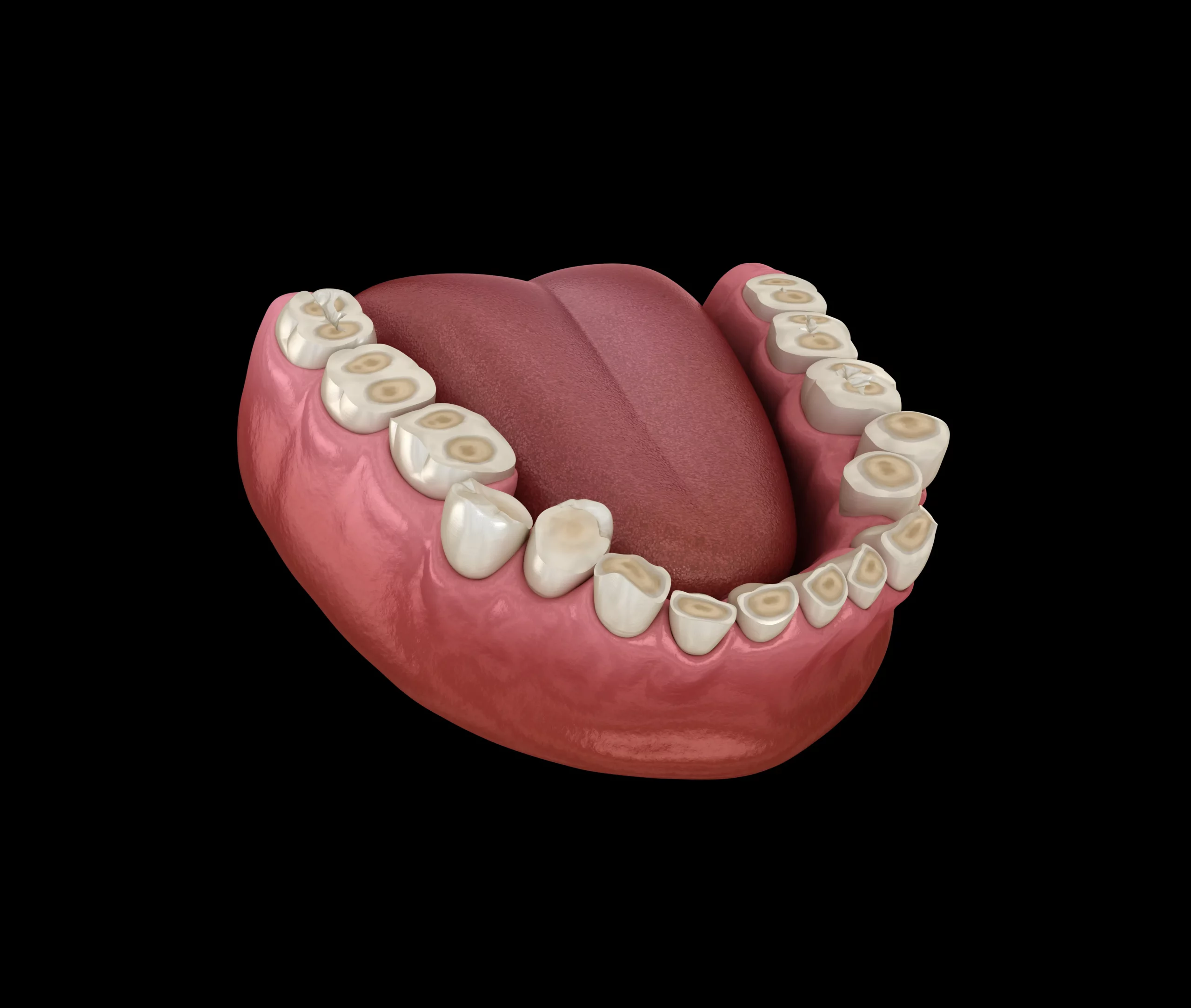
If your dentist has mentioned a bite plate, you may be wondering what it is, how it works, and whether you really need one. A bite plate is a custom dental appliance that is usually worn over the teeth to help manage pressure from clenching, grinding, or bite-related strain.
At Family Dental Care, bite plates are considered after a dentist has assessed your teeth, jaw, symptoms, and bite. The goal is to protect your teeth and support a more comfortable bite, not to offer a one-size-fits-all solution.
What is a bite plate?
A bite plate is a removable oral appliance made to fit your mouth. It may cover the upper or lower teeth, depending on your needs and your dentist’s recommendation. Some bite plates are used mainly at night, while others may be advised for specific bite or jaw concerns.
The appliance creates a protective surface between the upper and lower teeth. This can reduce direct tooth-on-tooth contact and help protect enamel, fillings, crowns, and other dental work from excessive wear.
What is a bite plate used for?
Dentists may recommend a bite plate for several reasons, including:
- Teeth grinding or clenching, especially during sleep
- Visible tooth wear or chipped edges caused by pressure
- Jaw tension, morning jaw stiffness, or facial muscle discomfort
- Protecting dental restorations such as crowns, veneers, or fillings
- Helping manage bite-related strain while the dentist investigates the cause
A bite plate does not cure grinding on its own. It is used as part of a broader dental plan, which may also include checking your bite, lifestyle triggers, stress-related clenching, tooth position, or other dental issues.
How does a bite plate work?
When you wear a bite plate, it helps separate and protect the teeth. This may reduce the amount of wear caused by grinding and can give the jaw muscles a more stable surface to rest against.
Because the appliance is custom fitted, it should feel more secure than a generic over-the-counter mouthguard. A poorly fitting appliance can cause discomfort, so it is important to have it checked and adjusted by a dentist.
Is a bite plate the same as a mouthguard?
Not exactly. A sports mouthguard is designed to protect teeth from impact during sport. A bite plate is designed for bite pressure, clenching, grinding, or jaw-related dental concerns. The material, shape, and fit may be different depending on the reason it is prescribed.
Signs you may need a bite plate
You may benefit from a bite plate assessment if you notice:
- Flattened or worn teeth
- Chipped teeth with no clear injury
- Jaw pain or tightness in the morning
- Headaches linked to jaw tension
- Partner reports that you grind your teeth at night
- New sensitivity caused by enamel wear
These symptoms can have different causes, so a dentist should examine your teeth before recommending treatment.
What happens during a bite plate appointment?
Your dentist will check your teeth, bite, jaw movement, and areas of wear. If a bite plate is suitable, impressions or a digital scan may be taken so the appliance can be made to fit your mouth. Once ready, your dentist will check the fit and explain how to wear and clean it.
How do you care for a bite plate?
Rinse your bite plate after use, clean it gently as instructed, and store it in its case when it is not in your mouth. Avoid hot water unless your dentist says it is safe, as heat may distort some materials. Bring the appliance to your dental check-ups so the fit can be reviewed.
When should you speak to a dentist?
If you are waking up with jaw tension, noticing tooth wear, or concerned about grinding, book a dental assessment before buying a generic appliance. A custom bite plate should be based on your mouth and the reason behind your symptoms.
Book a bite plate consultation with Family Dental Care to find out whether a custom appliance is the right option for your teeth, bite, and jaw comfort. You can also explore our dental treatments or find a dentist near you.
For broader patient guidance, the NHS teeth grinding guide explains that grinding can be linked with stress, sleep problems and tooth wear, and that a dentist may recommend a mouth guard or splint for protection.
Frequently asked questions
Do I need to wear a bite plate forever?
Not always. Some people need long-term protection, while others use one during a specific treatment period. Your dentist will advise based on your symptoms and tooth wear.
Can a bite plate stop grinding?
A bite plate can help protect the teeth from grinding damage, but it may not stop the grinding habit completely. The underlying cause should still be assessed.
Can I buy a bite plate from a pharmacy?
Over-the-counter guards exist, but they are not the same as a dentist-made bite plate. A custom appliance usually fits more accurately and can be adjusted by your dentist.
Why a custom bite plate matters
A custom bite plate is different from a generic guard because it is made around your teeth, your bite, and your dentist’s findings. That matters for comfort, speech, retention, and daily use. A plate that feels bulky or unstable is often left in a drawer, while a well-planned bite plate is easier to wear consistently. If you are comparing options, ask whether the appliance is designed for night-time protection, bite support, grinding protection, or a specific dental concern.
Quick bite plate checklist
- Check that the plate fits securely without forcing it.
- Bring it to dental reviews so your dentist can inspect wear marks.
- Clean it daily and store it dry in its case.
- Book a review if it cracks, becomes loose, or your bite feels different.


